
Latest News
Retinol for Beginners: Start Slowly, Stay Consistent

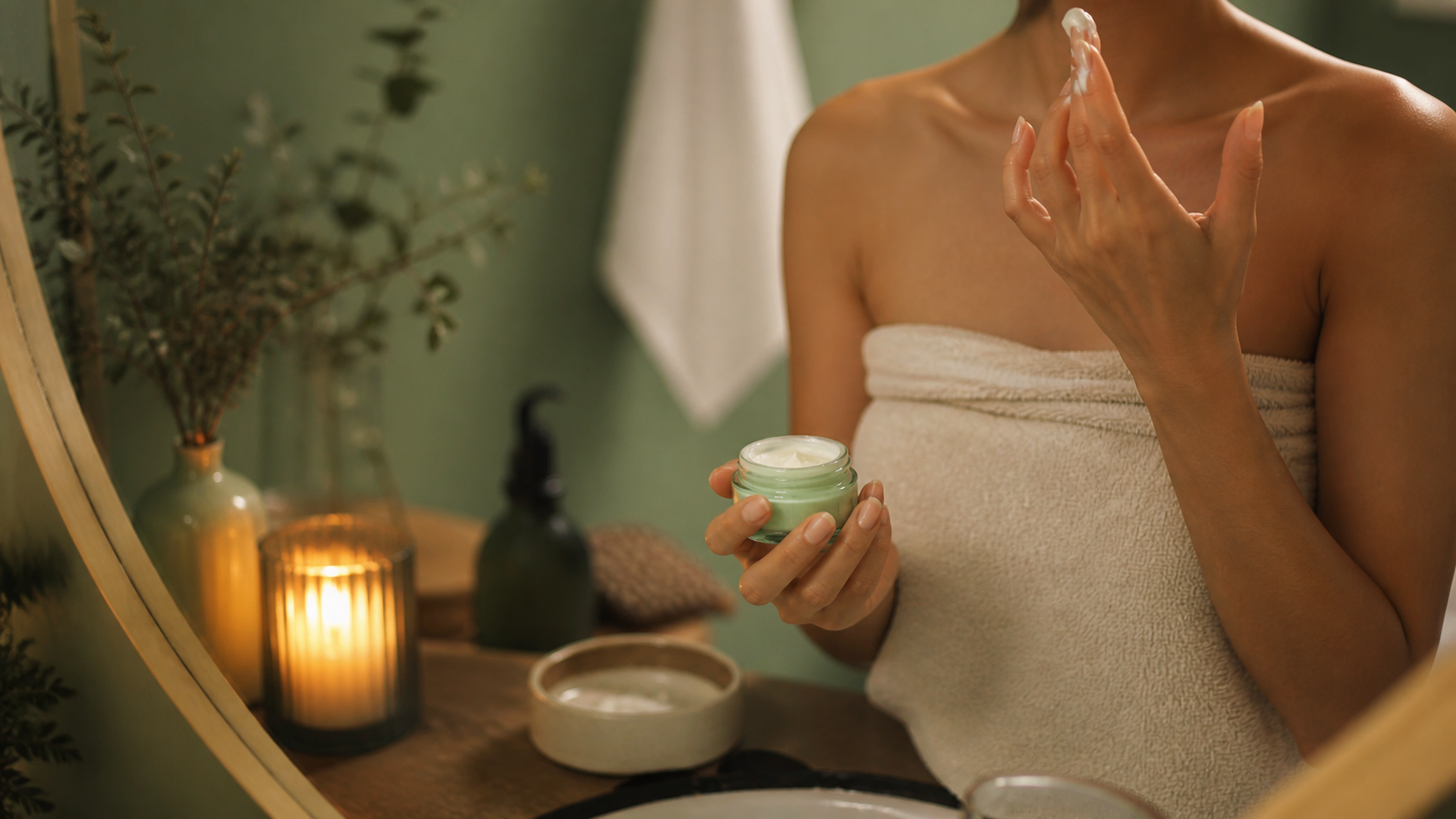
Retinol is one of the most discussed ingredients in skincare, but beginners often make the same mistake: starting with too much, too often, and too many other active products at the same time. A slower approach is usually easier to evaluate and easier to maintain. The aim is not to create overnight change. The aim is to build a routine your skin can tolerate consistently.
What retinol is used for
Retinol is a non-prescription retinoid found in many skincare products. People commonly use it to support smoother-looking texture, the appearance of fine lines, uneven tone, or blemish-prone skin. Results take time and vary from person to person. Product strength, formulation, frequency, and your own skin all matter.
Start with a small amount
At night, apply a small amount to clean, dry skin. Many beginners start once or twice per week and increase only when their skin is comfortable. More product does not create proportionally faster results. Avoid the immediate eye area, corners of the nose, and corners of the mouth if those areas are easily irritated.
If dryness is a concern, try the moisturizer sandwich method: apply a light layer of moisturizer, use retinol, then finish with another comfortable layer. This can make the introduction gentler. Follow the directions on your specific product because formulas differ.
Keep the rest of the routine calm
When starting retinol, avoid introducing several other strong actives at the same time. Exfoliating acids, scrubs, and some acne treatments may increase dryness or irritation when layered carelessly. A gentle cleanser and a supportive moisturizer give you a clearer way to judge how retinol is affecting your skin. If you are unsure how to simplify, read our guide to supporting a stressed skin barrier.
Make sunscreen non-negotiable
Retinol can make skin more sensitive to sunlight. Use broad-spectrum SPF 30 or higher during the day, reapply during extended outdoor time, and use shade or protective clothing when practical. Sunscreen also supports the overall work of a skincare routine by helping reduce ongoing sun exposure that can affect the appearance of tone and texture.
Know when to pause
Mild dryness can happen during adjustment, but intense burning, swelling, cracking, or a persistent rash is not something to push through. Pause the product and let your routine return to gentle basics. If symptoms continue, speak with a dermatologist or another qualified healthcare professional. People who are pregnant, planning pregnancy, or breastfeeding should ask their healthcare professional about retinoids before use.
A realistic beginner schedule
Use retinol once during the first week, twice during the second week if your skin is comfortable, and consider every other night only later. This is not a prescription schedule; it is simply a reminder that gradual introduction makes reactions easier to understand. Keep a note of when you apply it and how your skin feels the next morning.
Retinol works best as part of a boring, repeatable routine. Start slowly, moisturize generously, protect your skin during the day, and give the process enough time to be evaluated fairly. Consistency and comfort are more valuable than chasing the strongest product on the shelf.
Remember that a beginner routine should leave room for real life. Travel, cold weather, long days outdoors, and other changes may call for a temporary reduction in frequency. Adjusting your routine is not failure; it is a practical way to keep skincare sustainable.