
Latest News
How to Support a Stressed Skin Barrier

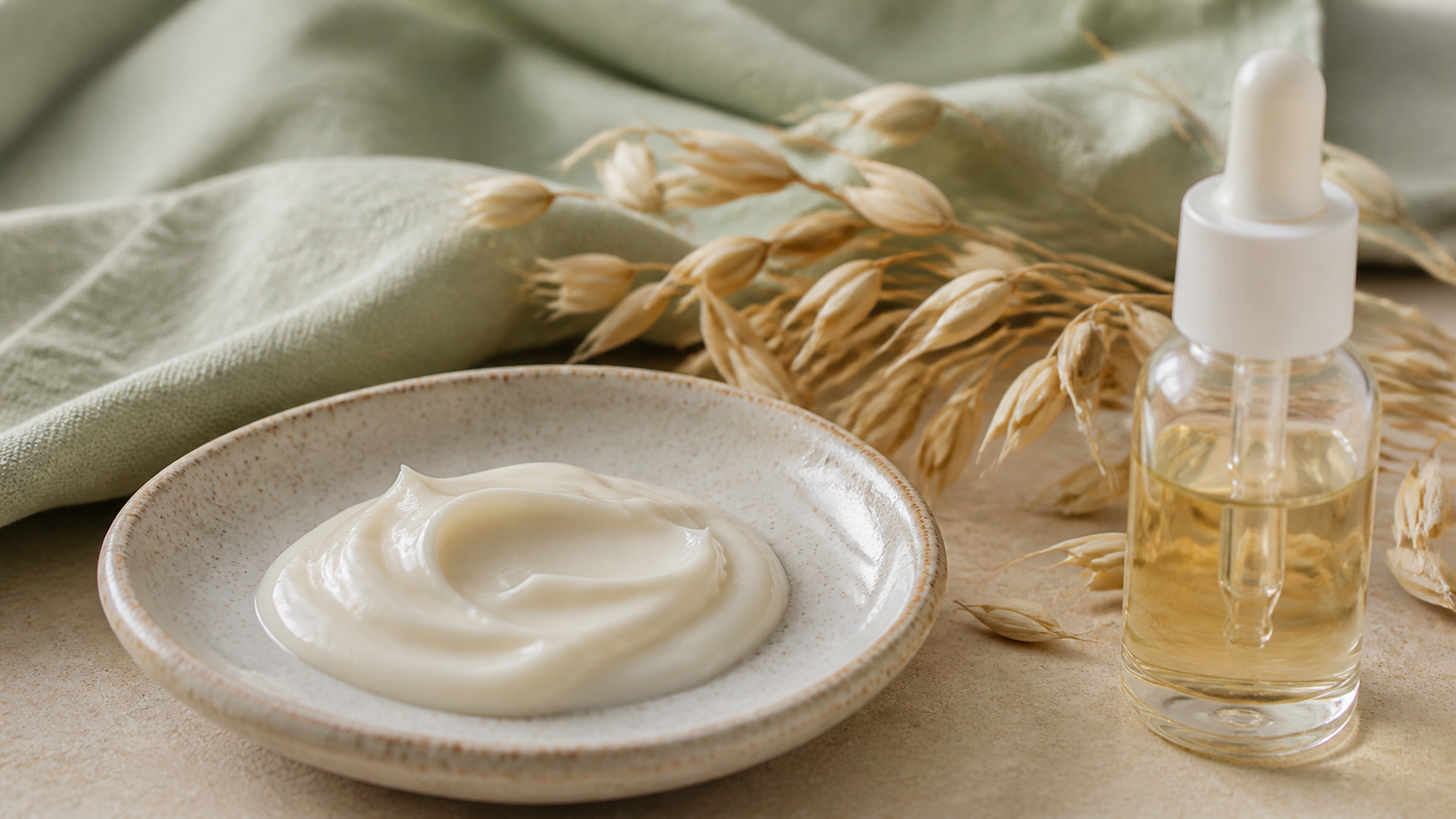
A stressed skin barrier can make familiar products suddenly feel uncomfortable. You may notice tightness after cleansing, dry patches, flaking, redness, or a stinging sensation when you apply a product that previously felt fine. When this happens, the most useful first move is often to simplify your routine and give your skin a calmer environment.
What the skin barrier does
The outer layer of skin helps reduce water loss and acts as part of the body’s protective boundary. Cleansing too aggressively, using too many exfoliating products, changing several formulas at once, or spending time in very dry weather can all make skin feel more reactive. A stressed barrier is not a diagnosis by itself, but it is a helpful description of a comfort problem that deserves patience.
Start with a short reset
For a short period, pause scrubs, strong acids, fragranced experiments, and other products that make your skin sting. Keep cleansing gentle and avoid hot water. A simple moisturizer can be enough while you observe what changes. Do not use irritation as a sign that a product is working; burning and persistent redness are reasons to step back.
If you use a prescription treatment, do not change it without speaking to the professional who prescribed it. A skincare reset should support sensible care, not replace medical advice.
Choose comfort-focused ingredients
Look for formulas with familiar hydrating and barrier-supporting ingredients such as glycerin, ceramides, squalane, and panthenol. Niacinamide can work well for many people, although every ingredient can bother someone with very reactive skin. The texture matters too: the best moisturizer is one you can apply regularly without feeling greasy, heavy, or uncomfortable.
Introduce products one at a time
Once your skin feels calmer, resist the urge to add everything back in one night. Add one product, use it consistently for several days, and watch for changes. Keeping a simple note on the date, product, and reaction can help identify patterns. Patch testing a new formula on a small area is another practical precaution, although it cannot guarantee that a product will never cause irritation.
Do not forget daytime protection
Sun protection remains useful during a barrier reset. Choose a sunscreen that feels comfortable enough to use every morning and combine it with shade, hats, or protective clothing when you are outside for longer periods. If sunscreen stings, try a different texture or ask a dermatologist or pharmacist for options suited to sensitive skin.
When to ask for professional help
Seek medical advice if irritation is severe, spreading, painful, cracked, swollen, or accompanied by a persistent rash. A dermatologist can help distinguish temporary product irritation from acne, eczema, contact dermatitis, rosacea, or another condition. For everyday care, you can also start with our simple three-step skincare routine and keep the number of variables low.
Supporting a stressed skin barrier is mostly an exercise in restraint. Gentle cleansing, comfortable moisture, sensible sun protection, and enough time can create a better foundation than a crowded routine. Your skin does not need to feel busy to be cared for.
Small practical choices can help too: wash pillowcases regularly, avoid picking at flaky areas, and keep your towel clean and soft. These details will not replace a treatment, but they can make a simplified routine feel more comfortable while your skin settles.